
Reforma e acabamento
Herringbone parquet: what it is and how to care for it
Common in older buildings in Rio, herringbone parquet can be recovered. See how to identify its condition and what to do day to d…
Bairros do Rio
Transport, shops, the rhythm of the area and the kinds of building: what weighs on daily life for those living in the city centre.
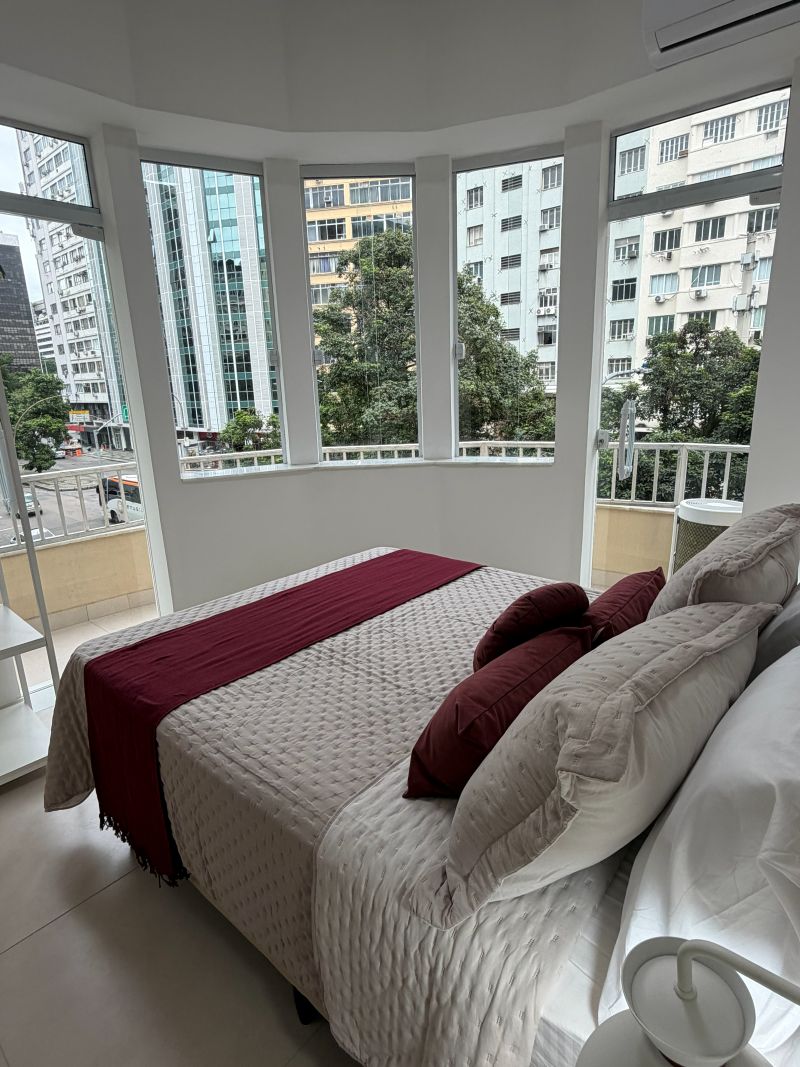
Central Rio de Janeiro concentrates most of the city's transport network into a relatively small area. For many people that means trading hours of commuting for minutes. For others, it means living in an area that runs at a different pace depending on the day of the week.
This article gathers what usually weighs on the decision, without promises and without exaggeration.
The central area brings together company headquarters, public bodies, banks, popular retail and a large supply of services. That has a practical effect: much of what you need day to day is within walking distance.
It is the argument that comes up first in any conversation about living in the centre. The area is served by metro, train, tram, ferries and a large number of bus routes, with stations close to one another.
For those who work in the central area itself, the gain is obvious: you can walk. For those who work in the South Zone or further out, the centre works as a starting point for several routes, which usually cuts the number of changes.
It is worth testing the journey at the real time you would travel. A route that takes twenty minutes at eleven in the morning can take considerably longer at eight.
This is the characteristic that most surprises people who have never lived there. During the week the centre is intense: movement from early on, shops open, street noise. On Saturdays the movement drops considerably. On Sundays much of the retail closes and the area goes quiet.
For some people that is an advantage: the whole city becomes calmer at your door. For others it is a problem: there are fewer options for shopping and leisure at the weekend.
The useful question is: how do you spend your weekends? If the answer involves leaving the neighbourhood anyway, the quiet bothers you less.
The centre has a stock of older buildings, many of them put up in the first half of the twentieth century. That shapes a great deal of what you will find:
Older buildings call for extra attention to the electrical wiring, the plumbing and the state of the building. In exchange, they tend to have more generous floor areas than new developments at the same price.
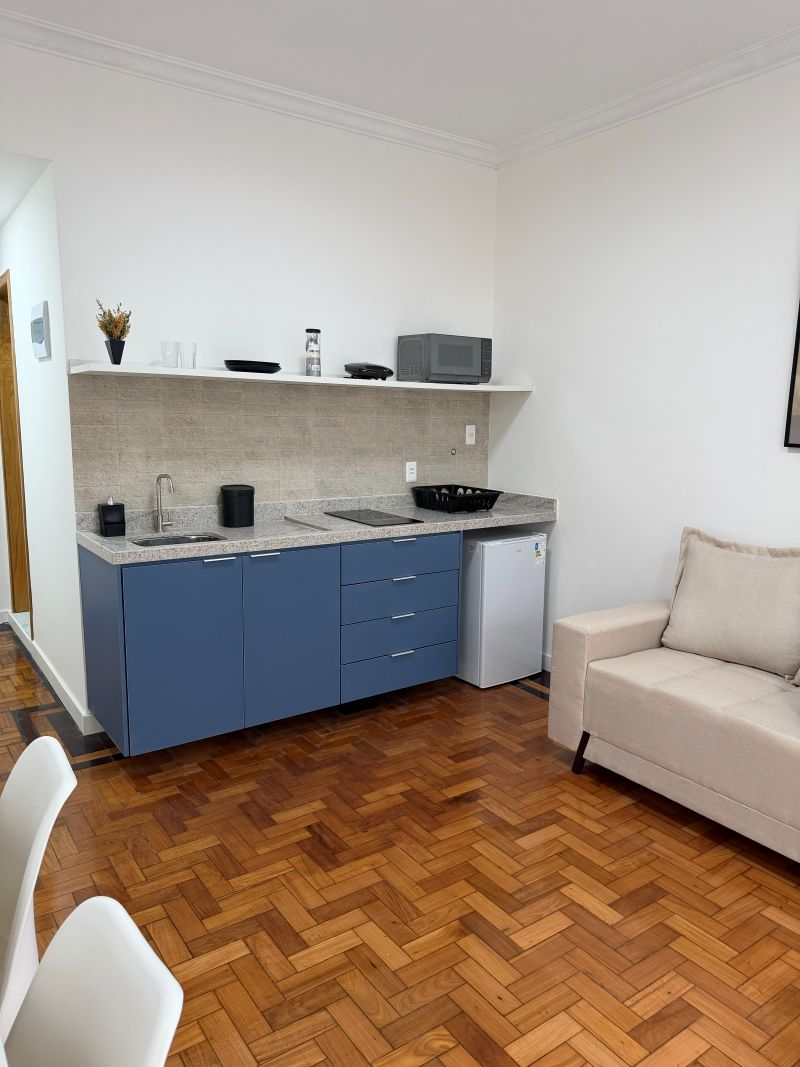
It is also worth reading what herringbone parquet is, which appears a great deal in those properties.
There is no single answer, but some profiles tend to adapt well:
And those who tend to adapt less well: anyone who depends on a car every day, anyone who needs quiet during the week, and anyone who wants neighbourhood life with movement on a Sunday.
The neighbourhood is half the decision. The other half is the building and the unit: which floor, position relative to the street, state of the building, noise from the immediate surroundings.
It is worth visiting on different days and at different times. The apartment you see on a Tuesday at three in the afternoon is another property on a Monday at eight in the morning.
Portalis buys, renovates and delivers units in central Rio de Janeiro. See the available units or talk to the team to arrange a viewing.
Reforma e acabamento
Common in older buildings in Rio, herringbone parquet can be recovered. See how to identify its condition and what to do day to d…
Compra e decisão
A renovation done is not the same as a renovation done well. A guide to what to look at in services, finishes and paperwork befor…